Save the Children - Responder App for the Global Humanitarian Register
Save the Children works to protect children and respond rapidly when emergencies strike. To support its emergency teams, Relief Applications developed the Surge / Responder mobile application, a tool for the staff who deploy at the front line of humanitarian responses.
- Client
- Save the Children
- When
- Dec 2017–Dec 2018
- Team
- 4+
- Services
- App development
- Technologies
- Ionic, .NET Core, Azure SQL, Azure, Twilio
- Industry
- Protection
- SDGs
- 8. Decent work and economic growth, 16. Peace, justice and strong institutions
- Client website
- savethechildren.net
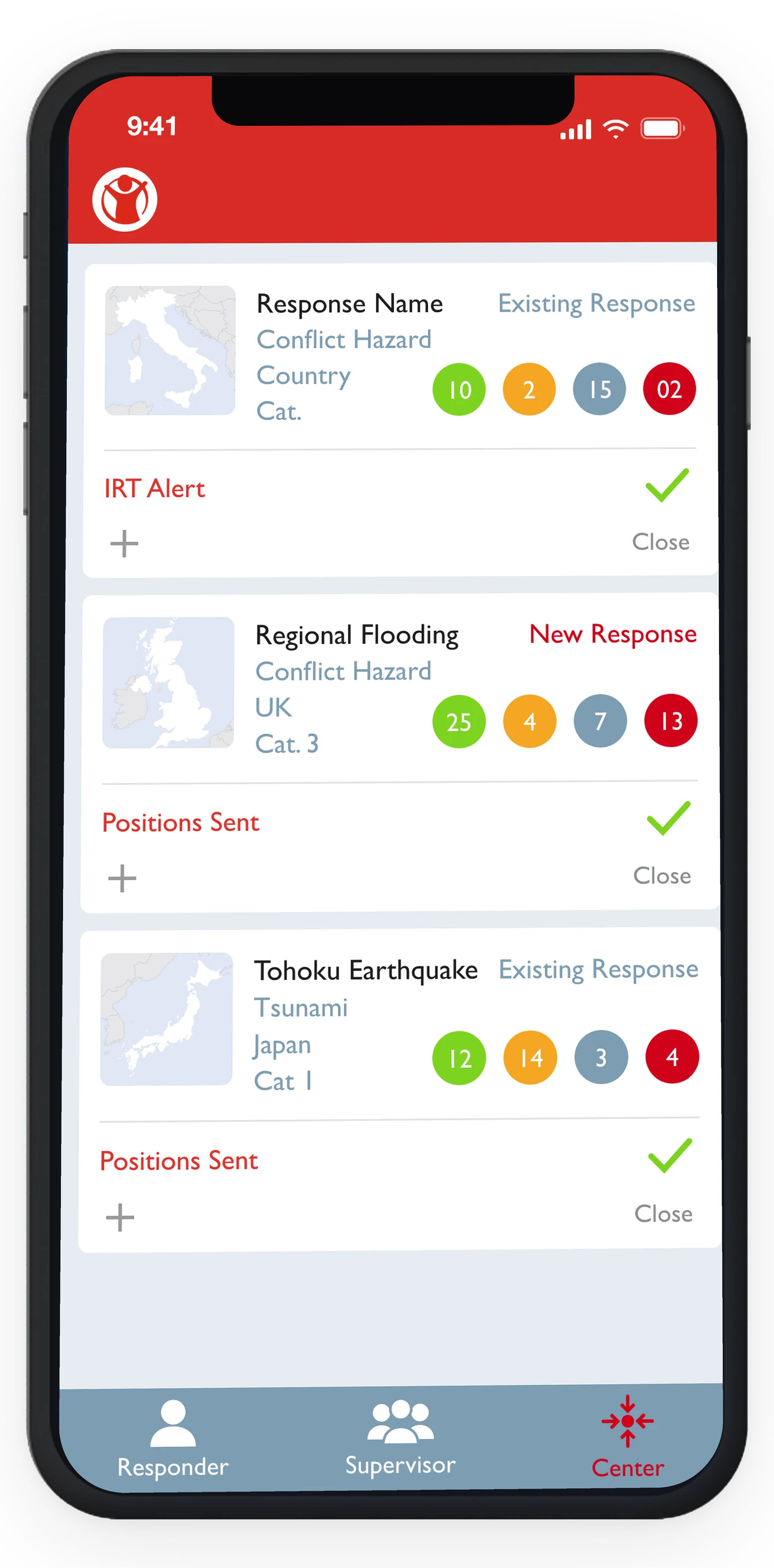
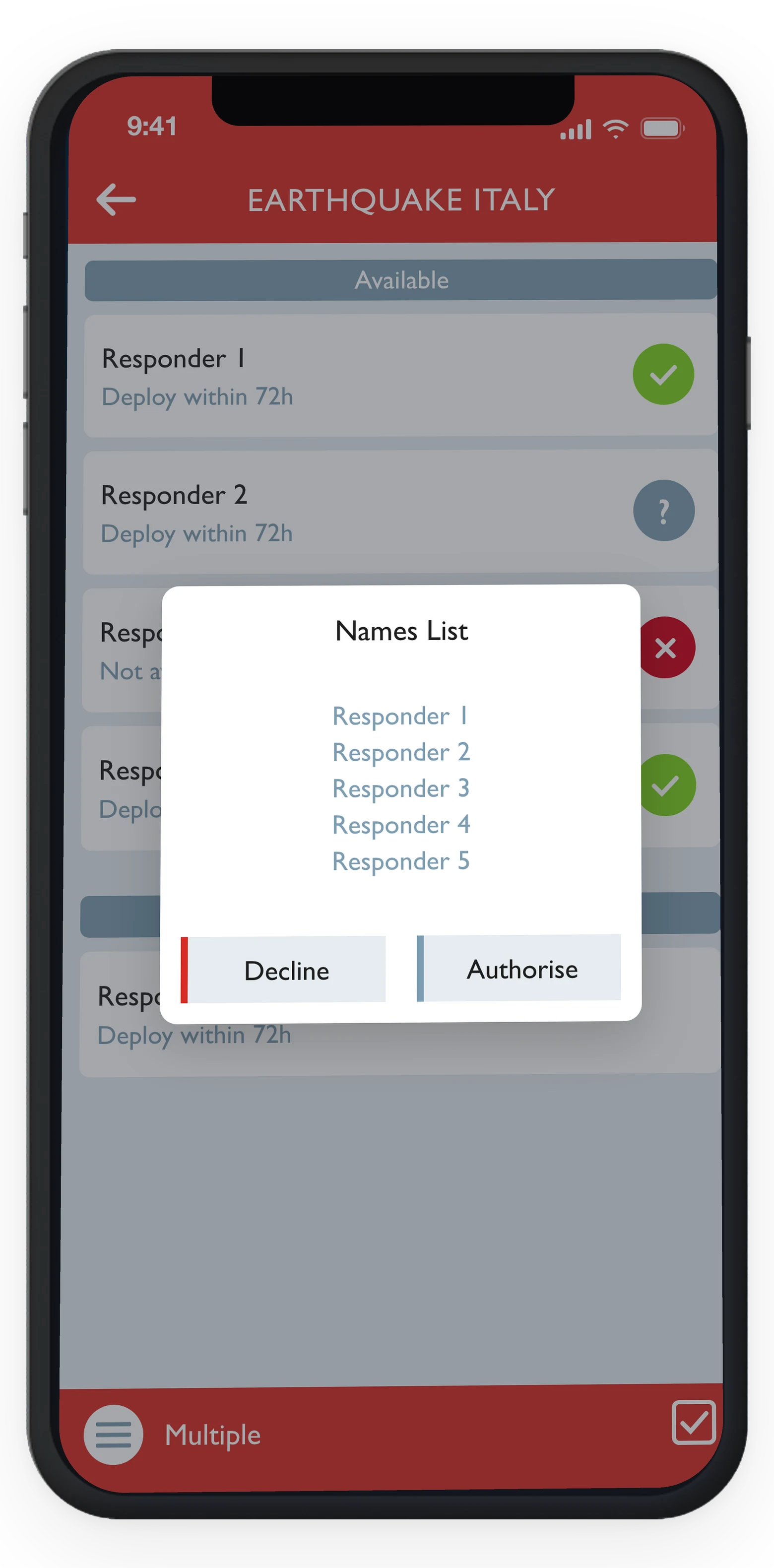
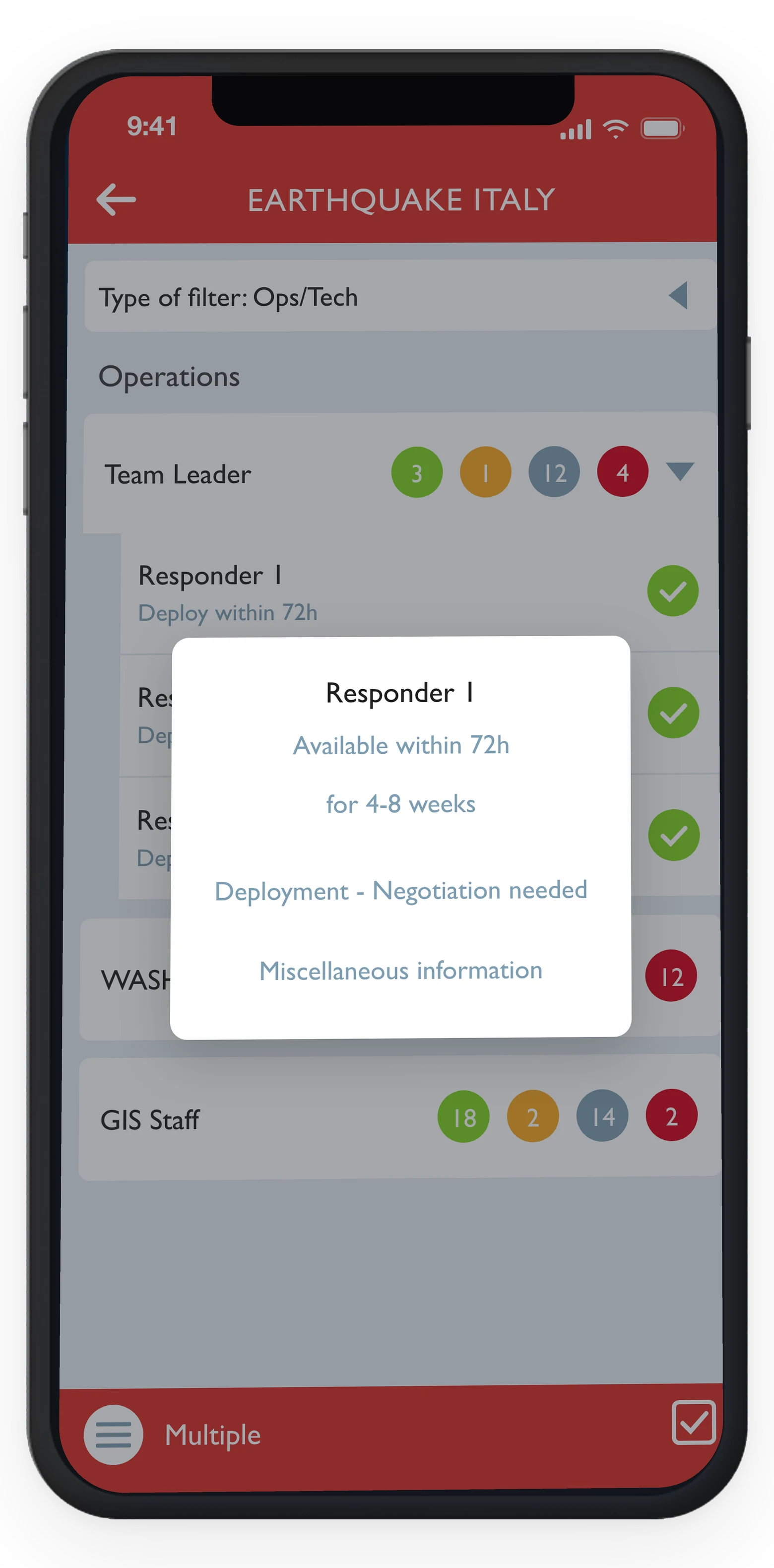
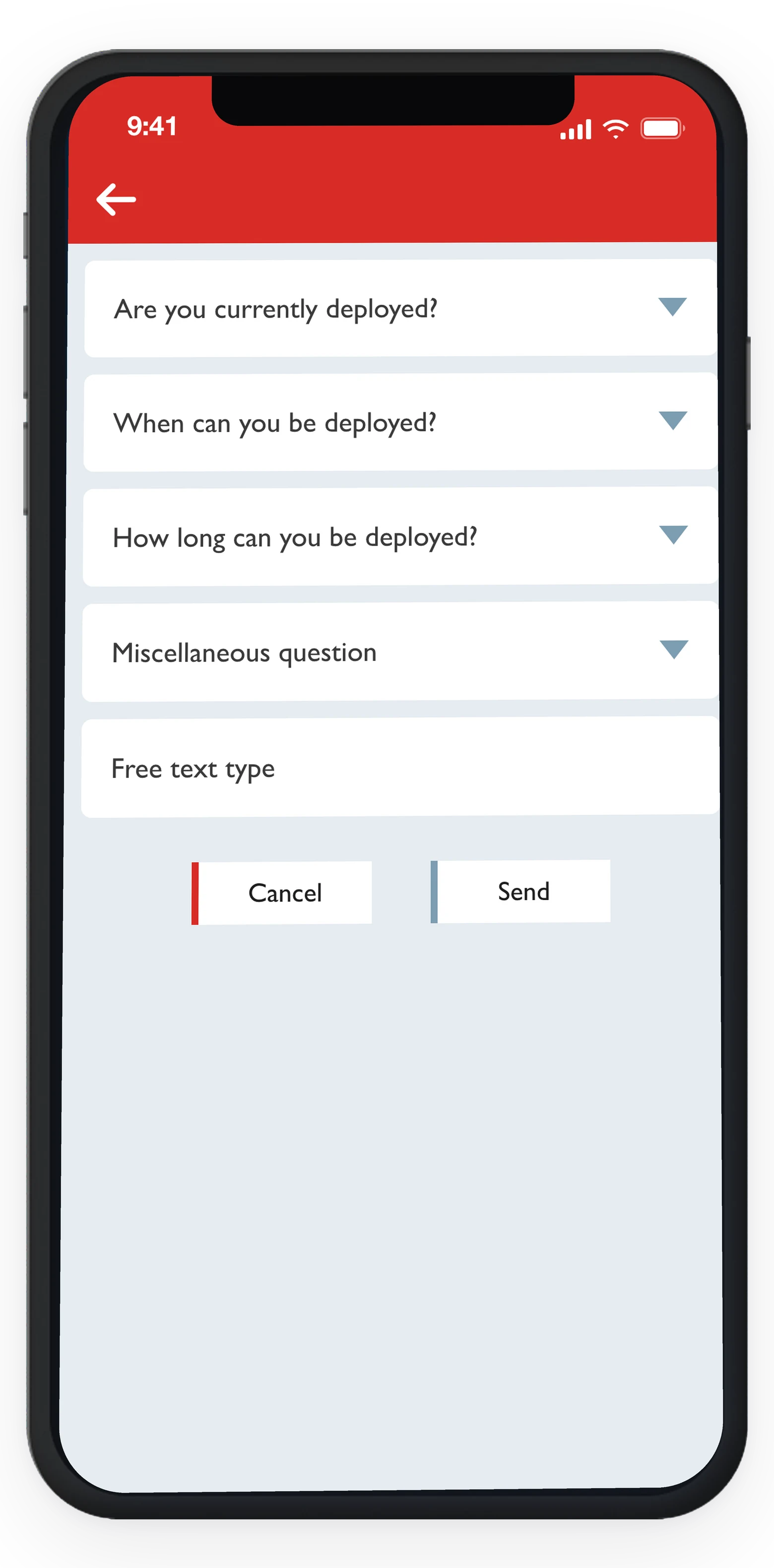
Save the Children’s Global Humanitarian Register is critical to deploying experienced surge staff within 72 hours of a crisis. Yet, availability checks and approvals were managed through fragmented emails, spreadsheets and messaging apps across 28 member organisations. This manual process led to delays, limited visibility on who was deployable, and a high coordination burden during already time-critical emergencies. Save the Children wanted a mobile-first solution to rapidly alert roster members, collect availability, and manage approvals in one place, while synchronising with existing Azure-based deployment data and working in low-bandwidth environments. Relief Applications co-designed the RESPONDER APP with emergency HR teams, mapping the end-to-end surge workflow and integrating directly with the GHR database. We focused on secure authentication, simple user journeys for responders and supervisors, and secure offline/SMS fallbacks to ensure reliability during crises. We delivered a cross-platform mobile and web application featuring real-time alerts, in-app availability confirmation, supervisor approval flows, and a live reporting dashboard. The system is fully integrated with Save the Children’s central deployment systems and Azure AD, with encryption and SMS fallback for low connectivity. The result is a streamlined, user-friendly tool that turns hours of manual coordination into minutes.
The challenge
- Fragmented communications
- Slow availability checks
- Complex approval chains
- Low-bandwidth field contexts
What we did
- Centralised mobile platform
- In-app availability capture
- Integrated approval workflow
- Real-time dashboards
- SMS / offline fallback